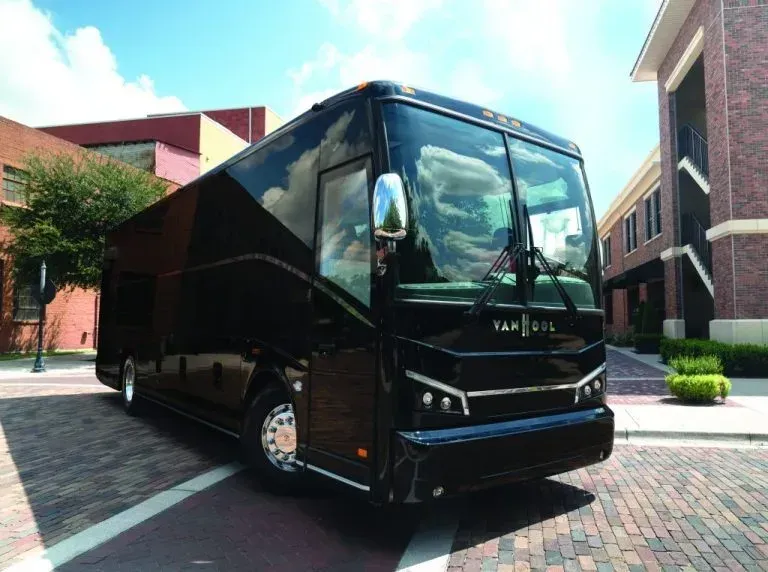
Managing transportation for a large group can rapidly become a complicated undertaking when numerous schedules, pickup plans, and travel expectations must be considered. Whether the occasion is a professional meeting, family event, social outing, or special gathering, coordinating punctual arrivals requires thoughtful organization. A structured transportation strategy helps reduce uncertainty, avoid delays, and enhance the overall experience for all travelers. By understanding the key elements of group transportation coordination, organizers can create a seamless travel experience from beginning to end.
When numerous travelers journey together, transportation extends beyond basic passenger movement between locations. It becomes a significant component of the entire event experience. Careful organization helps preserve timelines, strengthen participant communication, and improve overall travel comfort. At A1 Quality Express Limousine, we know that well-planned transportation solutions help groups enjoy a confident and hassle-free travel experience.
Prepare Transportation Arrangements in Advance
Well-organized group transportation begins through early planning. Postponing transportation decisions until the last moment can limit flexibility and make accommodations more challenging. Organizers should first establish attendance numbers, travel dates, projected departure times, and destination details. Collecting this information in advance provides a strong basis for transportation plans that align with the event schedule.
Advance planning also allows time to identify potential challenges before they become problems. Transportation arrangements can be affected by traffic conditions, event timelines, pickup coordination, and accessibility requirements. Considering these details beforehand enables planners to design transportation strategies that improve efficiency. Extensive preparation typically helps create smoother transportation experiences and minimizes unexpected challenges.
Assess the Number and Needs of Participants
An essential part of coordinating transportation involves understanding the group’s size and individual travel needs. Precise attendance figures help support proper vehicle selection and reduce the risk of overcrowding or unused capacity. Planners should verify attendance information early and revise those numbers whenever plans change.
Apart from determining group size, attention should be given to the unique needs of participants. Different passengers may require additional baggage capacity, accessibility accommodations, or other forms of assistance. Recognizing these requirements helps transportation plans be tailored appropriately. Investing time in collecting detailed information helps support a smoother and more comfortable journey for everyone involved.
Design a Well-Organized Transportation Schedule
A structured transportation timetable acts as a blueprint for all participants. Organizers should outline departure times, pickup locations, travel durations, arrival targets, and any planned stops along the route. Having a detailed schedule minimizes uncertainty and helps everyone understand where they need to be and when. Clarity and consistency are particularly important when handling larger groups with many participants.
Communication is a key factor in ensuring schedules work effectively. Travelers should receive full transportation instructions before the event starts. Distributing itineraries via email, messaging apps, or printed documents ensures everyone stays informed. Well-defined expectations contribute to smoother and more efficient transportation execution.
Set Up Central Pickup and Drop-Off Points
Organizing numerous pickup areas often increases logistical difficulty for large groups. When possible, coordinators should use unified pickup and drop-off points for participant convenience. Combining meeting points simplifies boarding procedures and reduces delays from multiple stops. It also simplifies communication and improves overall efficiency.
Centralized locations provide additional benefits by making it easier to account for all travelers before departure. Group coordinators can confirm attendance, provide updates, and address concerns before departure. This method supports preparedness and keeps transportation operations on track. Defined meeting locations greatly improve coordination throughout the journey.
Ensure Clear Communication at Every Stage
Strong communication is a critical factor in effective coordination of group travel. Group members should receive regular updates regarding schedules, pickup instructions, travel expectations, and any changes that may occur. Reliable information ensures passengers can prepare without uncertainty. Clear communication contributes to smoother operations and happier passengers.
Coordinators should set up consistent communication methods for all updates. Designated contacts and digital communication tools help spread updates quickly. Communication consistently serves as the unifying factor in organized transportation. Consistent information sharing helps ensure smooth and uninterrupted travel.
Prepare for Sudden Changes
Even well-planned transportation schedules may face unforeseen situations. Unpredictable factors like weather and traffic may require prompt decision-making. Adding flexibility to plans helps coordinators respond efficiently to unexpected issues. Being prepared strengthens adaptability and keeps operations running smoothly.
Emergency planning should involve alternate communication methods, route options, and responsible contacts. Defined procedures support calm and organized reactions to unexpected issues. Proactive strategies help maintain efficiency during necessary adjustments.
Focus on Passenger Comfort and Convenience
Comfort significantly impacts how passengers experience transportation. Large groups frequently travel for long durations, making comfort and convenience essential. A well-managed environment and seating comfort enhance the travel experience. A comfortable journey helps travelers arrive refreshed and ready.
Convenience also contributes to successful transportation coordination. Streamlined boarding, clear guidance, and structured timing minimize issues for travelers. Well-structured transportation lets passengers enjoy the occasion without concern. Comfortable and convenient travel contributes to a more successful occasion.
Rely on Experienced Transportation Teams
Transportation coordination for large groups includes many details, making professional help essential. Experienced providers know how to manage timing, passenger coordination, and operational efficiency. Their expertise can help organizers navigate complex logistics while ensuring transportation get more info plans remain organized and reliable.
Experienced teams offer insights that improve planning and execution. Their expertise in group travel supports proactive problem-solving. By leveraging professional experience, organizers can focus on the event itself while transportation logistics are managed with attention to detail and care.
Make Group Transportation Part of the Event Experience
Group travel should be treated as part of the event experience rather than basic transit. Well-coordinated transportation creates opportunities for participants to relax, connect, and begin enjoying the occasion before arriving at the destination. Well-managed transport enhances the event atmosphere and experience.
At A1 Quality Express Limousine, we understand that successful transportation relies on planning, communication, and customer care. With the right approach, coordinating large-group travel can be simple and efficient. Focusing on planning, organization, and comfort ensures a seamless travel experience for any occasion. We are proud to provide seamless travel experiences that give passengers confidence and ease.